Flight Delay Compensation Rules: Traveler Protection Across Regions
Flight Delay Compensation Rules: How Traveler Protection Varies Across Regions
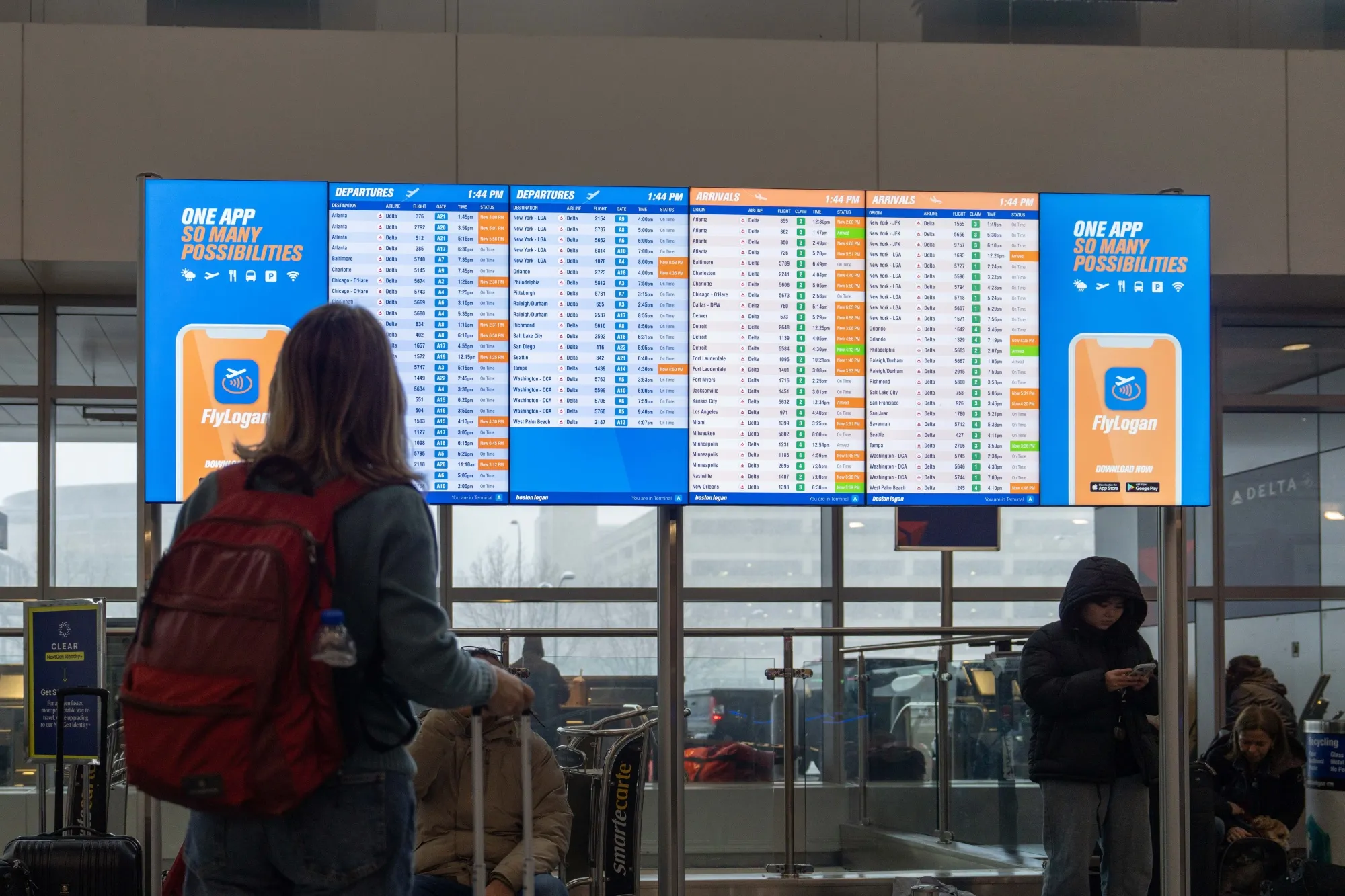
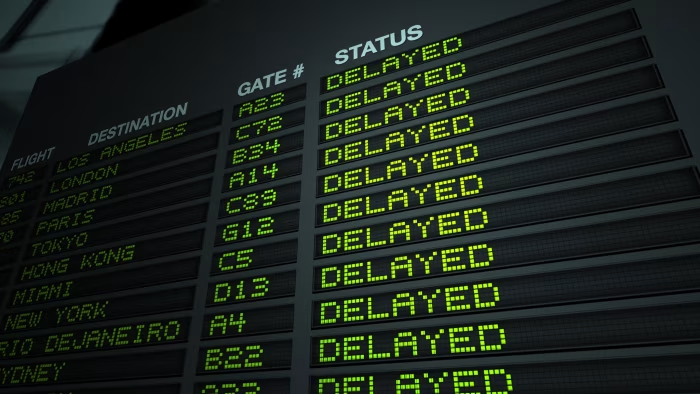
Flight delays are experienced differently depending on where a journey takes place. A delay that triggers formal compensation in one region may result only in informational updates in another. This contrast reflects how traveler protection has evolved unevenly across regulatory systems, shaped by regional priorities, legal traditions, and enforcement models.
For passengers traveling between the United States, the United Kingdom, European states, and selected Middle Eastern and Nordic jurisdictions, delay outcomes are determined less by airline discretion and more by the regulatory environment governing the flight. Understanding flight delay compensation rules therefore requires a regional lens—one that accounts for how protection standards differ, where they converge, and where clear limitations apply.
This article examines flight delay compensation from a traveler protection perspective. It evaluates how rules are structured across regions, what constraints shape eligibility, and how different systems balance consumer rights with operational realities, without reducing the topic to procedural shortcuts or transactional outcomes.
Concept Clarification: What Flight Delay Compensation Rules Address
Flight delay compensation rules define the circumstances under which a delayed arrival may trigger regulated remedies for affected passengers. These rules are not universal. They are established through statutes, regulatory instruments, or supervisory guidance that apply within specific jurisdictions.
Compensation is distinct from other delay-related obligations. Airlines may be required to provide information, care, or rebooking options even when compensation does not apply. Compensation, by contrast, is typically linked to measurable delay thresholds and to an assessment of operational responsibility.
From a traveler protection standpoint, delay compensation rules serve three functions:
-
They set minimum standards for how disruption is addressed
-
They introduce predictability in high-uncertainty situations
-
They limit disputes by defining eligibility boundaries in advance
Because these rules vary widely, travelers often encounter inconsistent outcomes on similar routes operated under different regulatory regimes.
Decision Factors That Influence Delay Compensation Outcomes
Regional Regulatory Models and Protection Levels
Different regions adopt different philosophies toward delay compensation. In parts of Europe, delay protection is codified through comprehensive passenger rights frameworks that specify delay durations, exemptions, and standardized remedies. Other regions rely more heavily on disclosure requirements and contractual obligations, with compensation addressed indirectly.
This divergence affects how travelers interpret their position during delays. A three-hour delay may carry defined implications under one system and limited formal consequence under another.
A broader explanation of how these protection models are structured is outlined in [travel disruption compensation].
Delay Thresholds and Classification
Compensation rules hinge on how delays are classified. Regulators typically measure delays based on actual arrival time rather than departure time, using objective benchmarks to determine whether thresholds are met.
Classification also depends on cause. Delays attributed to factors within the carrier’s operational control are treated differently from those arising from external constraints such as air traffic restrictions or severe weather. This distinction is central to traveler protection logic, as it separates preventable disruption from unavoidable interference.
A deeper evaluation of how classification affects compensation eligibility is discussed in [denied boarding compensation].
Exemptions, Defenses, and Evidentiary Limits
Most regulatory systems recognize exemptions. Extraordinary circumstances, safety considerations, and government-imposed restrictions may limit or exclude compensation even when delays are significant.
From a compliance perspective, exemptions are not assumed; they must be substantiated. Documentation such as operational logs, maintenance records, and air traffic control notices are used to assess whether an exemption is valid. This evidentiary requirement acts as a constraint on both carriers and claim assessments.
Scenario-Based Use Cases in Delay Situations
Short-Haul Delays Within High-Protection Regions
In regions with robust traveler protection frameworks, short-haul delays that cross defined time thresholds may trigger compensation unless exemptions apply. Regulators examine whether delay causes were foreseeable and whether mitigation efforts were proportionate.
These scenarios illustrate how traveler protection is applied not in abstract terms, but through operational scrutiny.
Long-Haul and Intercontinental Delays
On long-haul routes, delays often involve multiple contributing factors. A departure delay in one region may lead to arrival delays in another, raising questions about which regulatory system applies.
Authorities typically focus on the point of departure and the operating carrier’s regulatory status when determining applicable rules. This approach prioritizes legal clarity over passenger convenience, reinforcing the importance of jurisdictional boundaries.
Cascading Delays and Missed Connections
Delays that lead to missed connections introduce layered complexity. Compensation analysis centers on whether the initial delay met regulatory thresholds and whether subsequent impacts were a direct consequence.
For broader context on how cascading disruption information is communicated to passengers, see [compensation for cancelled flights].
Practical Insights and Traveler Protection Considerations
Interpreting Protection Without Overgeneralization
Assumptions about delay compensation often arise from exposure to one regulatory system. Applying those assumptions universally can lead to misunderstanding. Traveler protection frameworks are precise, and their applicability depends on route, timing, and causation.
Interaction With Insurance and Corporate Travel Systems
Delay compensation rules operate alongside travel insurance policies, legal remedies, and corporate travel management systems. Insurance coverage may account for statutory compensation when defining benefits, while corporate platforms integrate regional protection logic into duty-of-care and expense workflows.
These interactions highlight compensation as part of a broader protection ecosystem rather than a standalone remedy.
Transparency and Communication Obligations
Even when compensation does not apply, regulators increasingly emphasize communication. Clear explanations of delay causes, expected timelines, and passenger rights are treated as protection measures in their own right. Inconsistent or delayed information can undermine traveler confidence regardless of compensation outcomes.
Neutral Summary Closing
Flight delay compensation rules reflect how traveler protection is interpreted across different regulatory regions. Shaped by regional policy choices, delay thresholds, and exemption standards, these rules create varied outcomes for similar disruption events.
Understanding these differences helps clarify what protection frameworks are designed to deliver—and where their limits lie. Viewed analytically, delay compensation functions as a regulatory tool that balances consumer protection with operational constraints, contributing to stability within an increasingly interconnected global travel system.