Enterprise Travel Management Software: Risk Control After Operational Failure
Enterprise Travel Management Software: Containing Risk After Operational Failure
Operational failure is rarely dramatic at first. In enterprise travel environments, it often appears as small disconnects—an employee stranded during disruption, incomplete visibility into traveler location, delayed expense approvals, or conflicting policy interpretations across regions. When these failures compound, they expose organizations to financial loss, compliance gaps, and duty-of-care risk.
As global business travel scales across jurisdictions, enterprise travel management software has emerged as a structural response to these failures. Rather than functioning as a booking utility, it is increasingly positioned as a risk-management layer designed to stabilize travel operations under stress. The emphasis shifts from convenience to containment: limiting the impact of disruption, policy deviation, and data fragmentation.
This article evaluates enterprise travel management software through a risk-management lens. It examines why operational failures occur, how software frameworks are designed to mitigate them, and what constraints shape their effectiveness in multinational corporate environments.
Concept Clarification: Software as a Risk-Containment Layer
Enterprise travel management software refers to integrated systems that coordinate corporate travel policy, booking execution, expense capture, and traveler visibility within a unified operational framework. Its defining purpose is not optimization of individual trips, but reduction of systemic exposure.
From a risk perspective, these systems address three recurring failure points:
-
Loss of visibility, when organizations cannot locate travelers or assess exposure during disruption
-
Policy breakdown, when exceptions proliferate without traceable justification
-
Data fragmentation, when booking, expense, and risk information diverge across platforms
Unlike consumer travel tools, enterprise systems are designed for auditability and escalation. They prioritize consistent data flow, role-based access, and documented decision paths—features that support compliance and risk governance rather than user preference.
Decision Factors That Shape Risk Mitigation
Visibility and Real-Time Awareness
Risk escalates when organizations lack real-time awareness of where employees are traveling and under what conditions. Operational failures often stem from delayed or incomplete data, particularly during irregular operations.
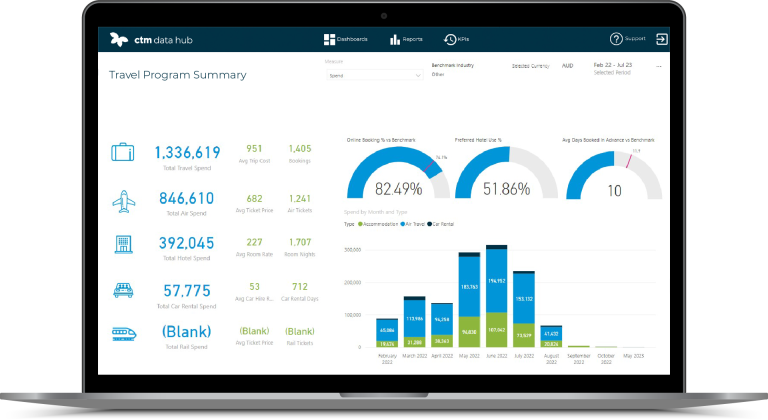
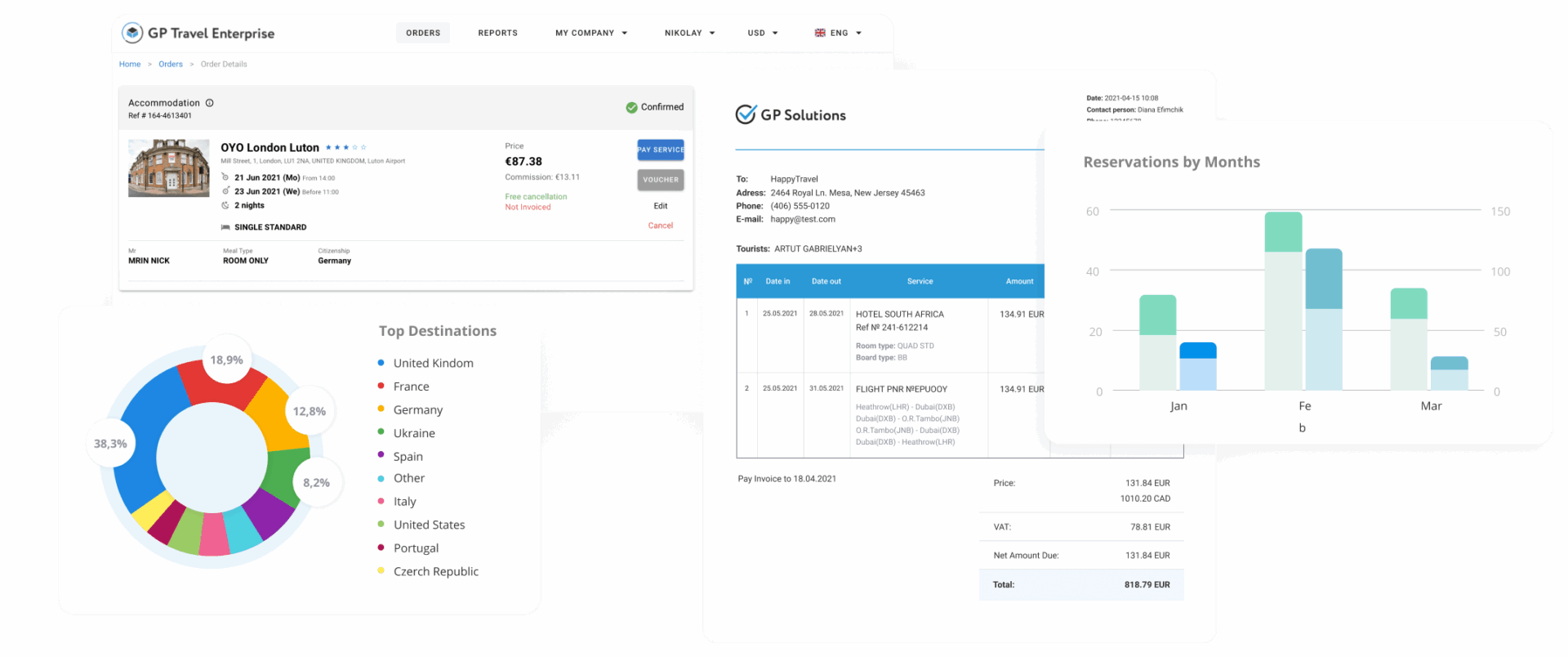
Enterprise travel management software addresses this by consolidating itinerary, expense, and traveler profile data into a single operational view. While no system eliminates uncertainty entirely, improved visibility shortens response time and reduces reliance on manual coordination.
A structural overview of how centralized visibility supports travel governance is outlined in [corporate travel management].
Policy Enforcement Under Stress
Policies are most vulnerable during disruption. When flights are cancelled or rerouted, travelers and managers make rapid decisions that may fall outside standard rules. Without system support, these decisions create compliance risk after the fact.
Risk-oriented software frameworks embed policy logic into workflows, allowing controlled exceptions with traceable justification. This approach does not prevent deviation, but it documents it, preserving accountability during post-event review.
An analytical examination of how policy enforcement interacts with operational risk is explored in [business travel cost management.
Integration Across Risk, Finance, and HR
Risk does not reside in a single function. Travel risk intersects with finance, human resources, and legal compliance. Fragmented systems obscure this intersection, increasing the likelihood of oversight failure.
Enterprise travel management software reduces this risk by integrating data streams. Expense anomalies, travel patterns, and employee profiles are connected, enabling earlier detection of exposure. The constraint is complexity: deeper integration requires disciplined data standards and governance.
Scenario-Based Risk Applications
Large-Scale Travel Disruption
When widespread disruption occurs—weather events, airspace closures, or system outages—organizational risk escalates quickly. Employees may be stranded across multiple regions, each governed by different traveler protection rules.
In these scenarios, enterprise travel management software functions as a coordination layer. It enables organizations to identify affected travelers, assess exposure, and communicate consistently. Risk is reduced not by preventing disruption, but by containing its operational impact.
For contextual grounding on how disruption information is handled across travel systems, see [corporate travel risk management
Compliance Failure After the Fact
Operational failure often surfaces during audits rather than during travel itself. Missing approvals, undocumented exceptions, or inconsistent expense categorization can trigger regulatory or internal compliance review.
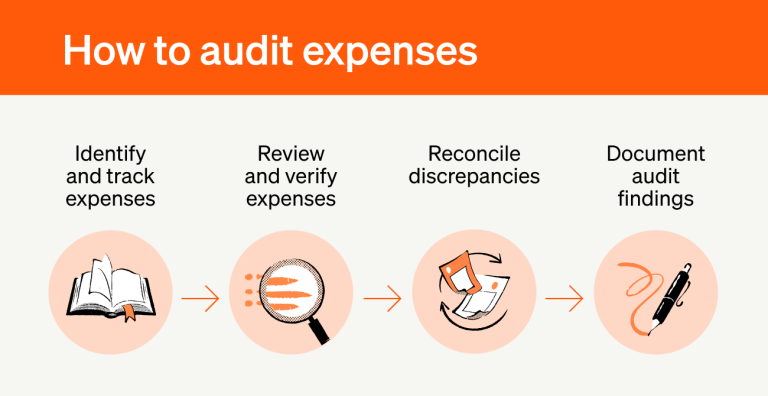
Software frameworks that preserve decision trails reduce this retrospective risk. By capturing who approved what, when, and under which conditions, organizations limit exposure even when outcomes were imperfect.
Cross-Border Duty-of-Care Exposure
International travel introduces jurisdictional duty-of-care obligations. Failure to demonstrate reasonable oversight can create legal and reputational risk.
Enterprise travel management software supports duty-of-care by maintaining traveler location data, communication logs, and escalation records. These records form part of the organization’s risk defense, independent of individual trip outcomes.
Practical Insights for Risk-Focused Implementation
Designing for Failure, Not Perfection
Risk management improves when systems are designed with failure in mind. Enterprise travel management software should prioritize disruption handling, exception capture, and recovery workflows rather than assuming ideal travel conditions.
Documentation as Risk Insurance
Clear records reduce uncertainty. When operational decisions are documented automatically, organizations rely less on recollection and manual reconstruction. Documentation does not eliminate risk, but it limits its downstream impact.
Transparency Over Restriction
Overly restrictive systems often drive behavior outside approved channels, increasing risk. Transparency—visibility into decisions and outcomes—allows organizations to maintain control without encouraging circumvention.
Neutral Summary Closing
Enterprise travel management software addresses the reality that operational failure is inevitable in complex travel environments. Positioned as a risk-management layer, it focuses on visibility, documentation, and controlled response rather than transactional optimization.
Through this lens, such software stabilizes corporate travel operations by containing disruption, preserving compliance trails, and supporting duty-of-care obligations. Its value lies not in preventing failure, but in ensuring that when failure occurs, organizational risk remains measurable, traceable, and manageable across diverse regulatory landscapes.