Corporate Travel Management: Operational Efficiency and Governance
Corporate Travel Management: Operational Efficiency Between Corporate Control and Individual Mobility
Corporate travel operates under a fundamentally different logic than consumer travel. While individual travelers prioritize price, convenience, and personal preference, organizations prioritize predictability, compliance, risk control, and operational continuity. The contrast becomes most visible when travel volumes increase, cross-border rules apply, or disruption affects multiple employees simultaneously.
Across jurisdictions including the United States, the United Kingdom, much of Europe, and selected Middle Eastern and Nordic markets, corporate travel management has matured into an operational discipline rather than a support function. It is no longer limited to booking oversight or cost reporting. Instead, it coordinates policy, process, financial control, and duty of care within a single governance framework.
This pillar article establishes an authority-level view of corporate travel management through an operational efficiency lens. It clarifies scope and terminology, examines structural decision factors, and explains how organizations align control with execution at scale—without resorting to vendor comparison or transactional guidance.
Concept Clarification: Defining Corporate Travel Management
Corporate travel management refers to the systems, policies, and processes an organization uses to govern employee travel undertaken for business purposes. Its objective is not to eliminate variability, but to contain it within predictable, auditable boundaries.
At a functional level, corporate travel management integrates four domains:
-
Governance and policy, defining permissible travel behavior and approval logic
-
Operational execution, covering booking, changes, and disruption handling
-
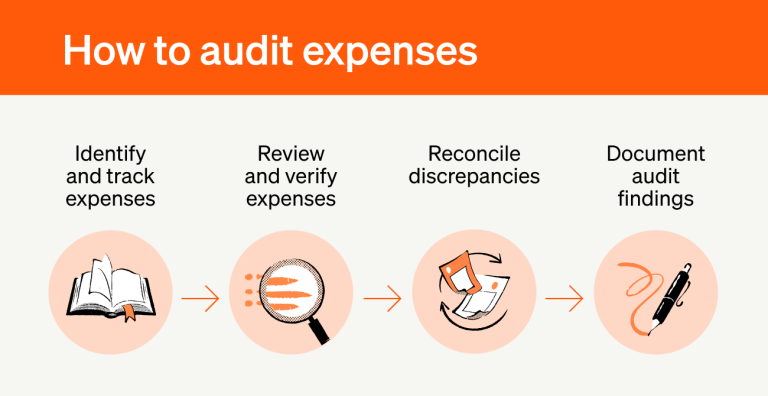
Financial oversight, including expense capture, reconciliation, and reporting
-
Risk and duty of care, ensuring traveler visibility and regulatory compliance
Operational efficiency emerges when these domains reinforce each other. Fragmentation—such as booking outside policy channels, disconnected expense reporting, or delayed traveler tracking—creates friction, cost leakage, and response delays.
Unlike consumer travel, corporate travel management assumes shared responsibility. Decisions are distributed across travelers, managers, finance teams, and compliance functions, making coordination central to efficiency.
Decision Factors That Shape Operational Efficiency
Policy Design as an Execution Tool
Corporate travel policies function as executable logic rather than static rulesets. Well-designed policies reduce decision latency by clarifying thresholds, approval paths, and exception handling in advance.
Overly rigid policies can slow operations and encourage workarounds, while overly permissive policies increase variance and reduce predictability. Efficient policy design focuses on clarity and enforceability, enabling consistent application across regions and teams.
A foundational framework for aligning policy governance with operational execution is outlined in [corporate travel management].
Centralization, Decentralization, and Hybrid Control
Organizations differ in how they distribute travel decision-making authority. Centralized models consolidate booking and approval through unified systems, improving visibility and compliance. Decentralized models allow local autonomy, increasing responsiveness but complicating oversight.
Operational efficiency is often achieved through hybrid structures. Central governance sets standards and captures data, while localized execution handles real-time decisions. This balance reduces bottlenecks without sacrificing control.
An analytical exploration of these trade-offs and their efficiency implications appears in [business travel management solutions].
System Integration and Data Flow
Efficiency depends on integration. When travel booking, expense management, HR records, and risk monitoring operate in silos, organizations rely on manual reconciliation and retrospective analysis.
Integrated data flows shorten feedback loops. They allow pre-trip validation, in-trip visibility, and post-trip reconciliation within a single operational view. The constraint is complexity: integration demands consistent data standards and cross-functional coordination.
Scenario-Based Applications of Corporate Travel Management
High-Volume Routine Travel
In organizations with frequent, repeat travel patterns, inefficiency accumulates incrementally. Minor delays in approvals, inconsistent booking behavior, or fragmented reporting scale into measurable operational drag.
Effective corporate travel management standardizes routine journeys, allowing operational teams to focus on exceptions rather than baseline execution. Efficiency in this context is measured by variance reduction rather than individual cost savings.
Disruption and Irregular Operations
When widespread disruption occurs—such as weather events, airspace restrictions, or system outages—corporate travel frameworks are stress-tested. Operational efficiency depends on rapid traveler identification, exposure assessment, and coordinated response.
In these scenarios, corporate travel management intersects with continuity planning and duty-of-care obligations. Systems designed for visibility and communication outperform ad hoc approaches reliant on manual coordination.
For contextual grounding on how disruption information is handled across organizational travel systems, see [corporate travel risk management].
Cross-Border and Multijurisdictional Travel
International travel introduces regulatory complexity. Visa rules, tax exposure, traveler protection laws, and data requirements vary by jurisdiction. Reactive handling increases compliance risk and operational delay.
Efficient corporate travel management embeds jurisdictional awareness into workflows, enabling proactive validation and reducing exception handling during execution.
Practical Insights and Best Practices for Operational Alignment
Viewing Travel as an Operational System
Operational efficiency improves when travel is treated as a system rather than a sequence of transactions. This perspective emphasizes process design, data integrity, and exception handling over individual booking decisions.
Aligning Control With Traveler Experience
Excessive control can undermine efficiency if it generates non-compliance or shadow processes. Effective corporate travel management aligns enforcement with traveler realities, reducing friction that leads to off-policy behavior.
Continuous Optimization Through Visibility
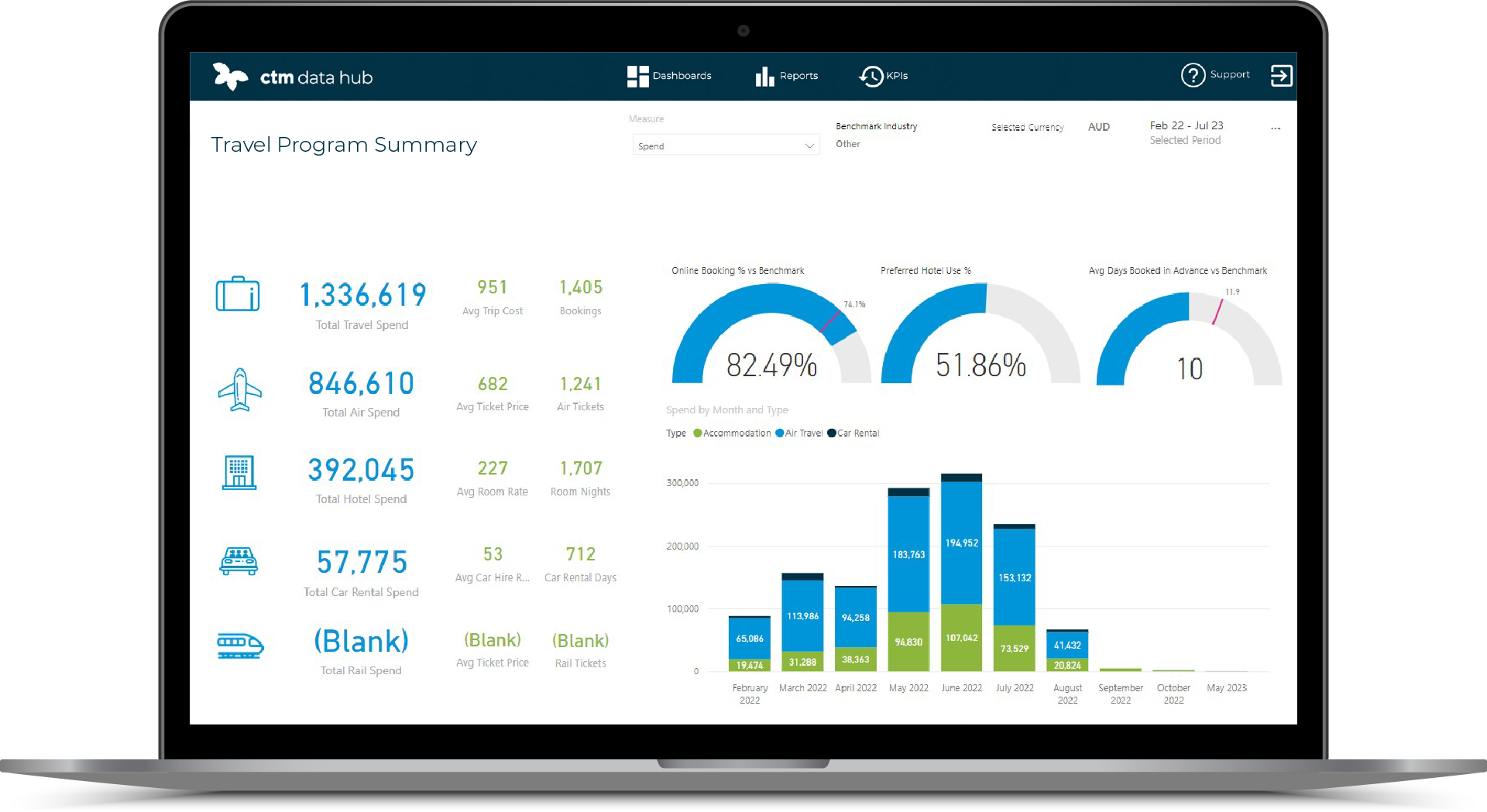
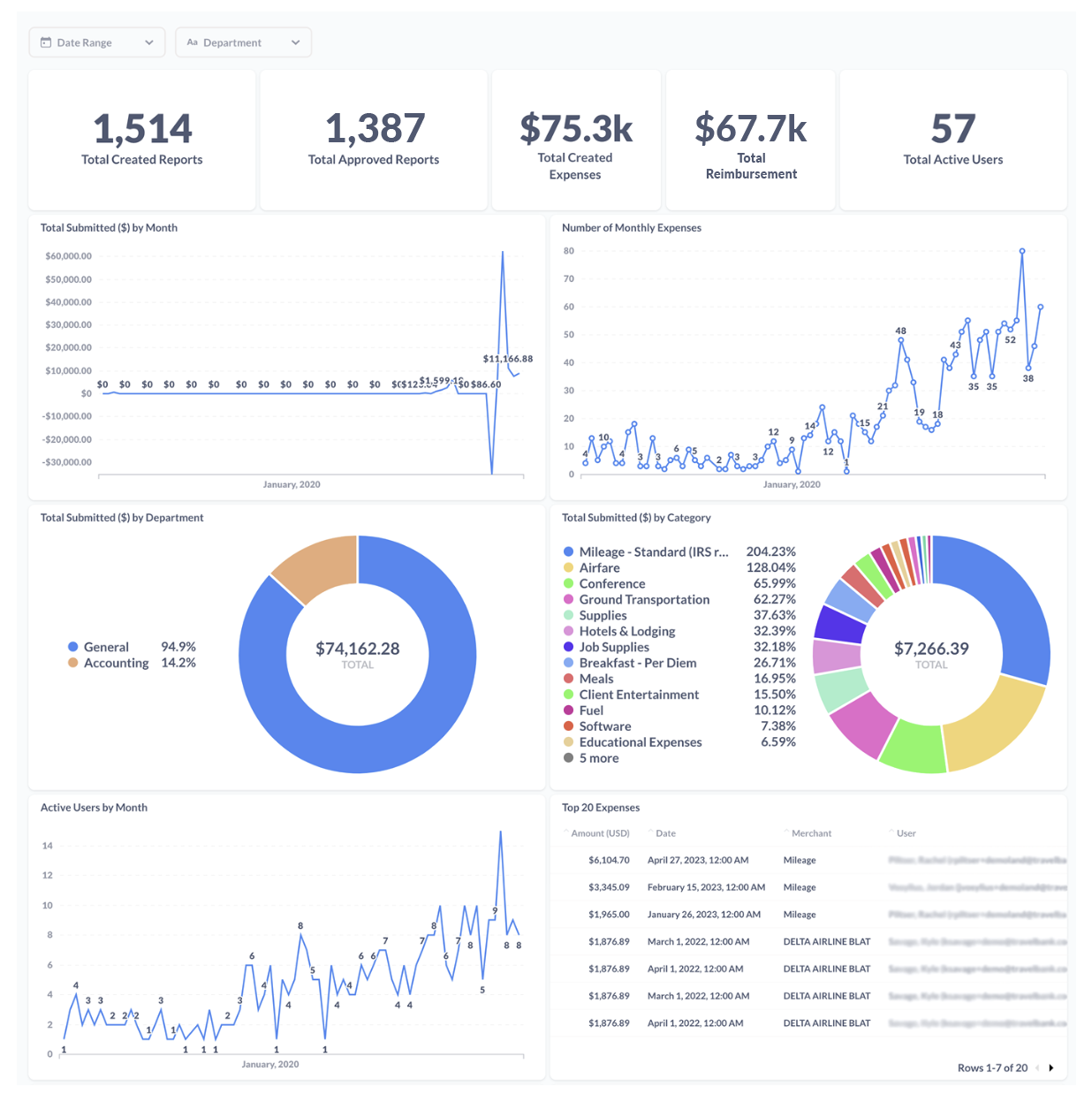
Operational efficiency is not static. Visibility into travel patterns, costs, and disruption outcomes supports ongoing adjustment. Organizations refine thresholds, approval logic, and escalation paths as conditions change.
Transparency enables informed control without reliance on blanket restrictions.
Neutral Summary Closing
Corporate travel management represents a structured response to the complexity of organizational mobility. Positioned between corporate control and individual travel needs, it transforms travel from a fragmented activity into an operationally governed system.
Viewed through an operational efficiency lens, corporate travel management aligns policy, execution, finance, and risk into a cohesive framework. By reducing variance, clarifying responsibility, and improving visibility, it supports consistent outcomes across diverse travel environments—without relying on discretionary decision-making or transactional incentives.