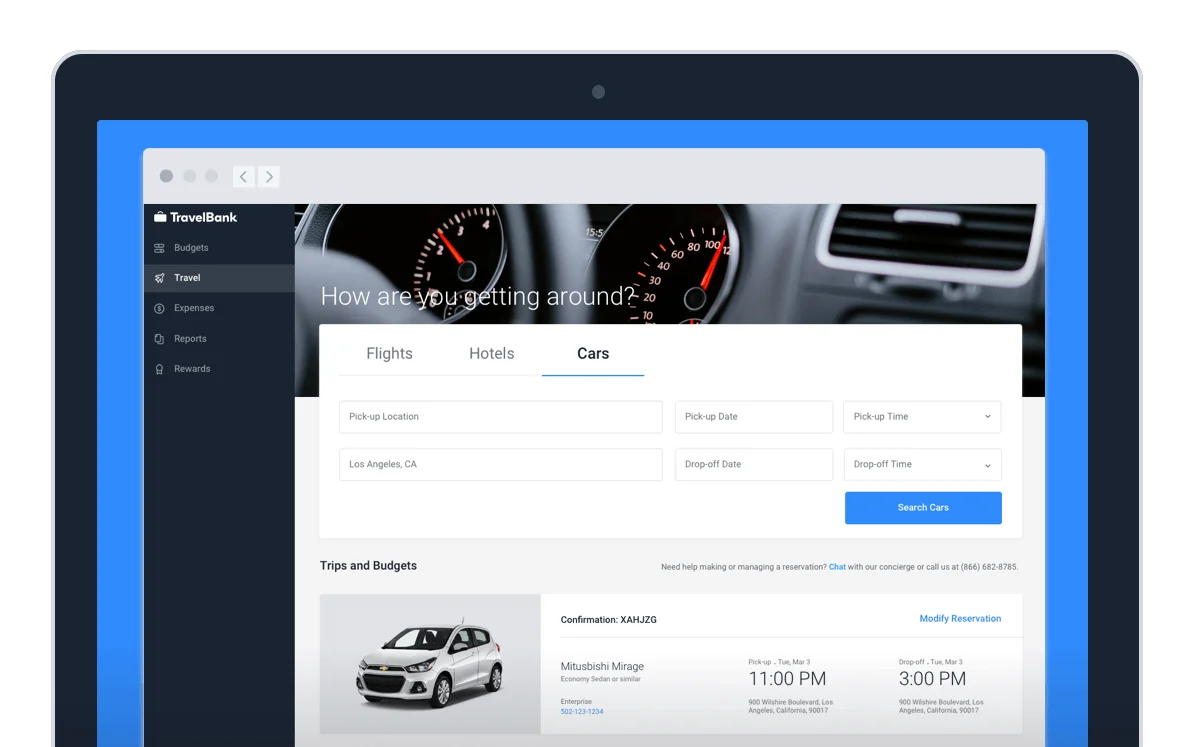
Car Rental Comparison Websites: Transparency for Corporate and Consumer Use
Car Rental Comparison Websites: Service Transparency Between Corporate and Consumer Use
![The 12 Best Websites for Finding Cheap Car Rentals [2025]](https://upgradedpoints.com/wp-content/uploads/2019/09/Travelocity-car-rental-search-results.jpg?auto=webp&disable=upscale&width=1200)
Car rental comparison websites sit at the intersection of consumer convenience and structured travel management. For individual travelers, they are often perceived as simple aggregation tools that surface price options quickly. In corporate contexts, however, these platforms operate within more constrained expectations around transparency, accountability, and policy alignment. The difference is not cosmetic; it reflects how information is presented, interpreted, and relied upon in different travel environments.
Across regions including the United States, the United Kingdom, continental Europe, and selected Middle Eastern and Nordic markets, comparison platforms have become a primary entry point into car rental services. Yet the transparency they provide—and the limitations of that transparency—vary depending on whether the user is acting as a consumer or on behalf of an organization.
This article examines car rental comparison websites through a service transparency lens. It evaluates how information is structured, what trade-offs emerge between corporate and consumer use, and where opacity can appear despite apparent choice—without promoting platforms or directing transactional behavior.
Concept Clarification: What Comparison Websites Actually Do
Car rental comparison websites aggregate inventory and pricing data from multiple rental providers into a single interface. Their core function is not service delivery, but information mediation—collecting, sorting, and displaying data based on defined parameters such as location, date, and vehicle class.
From a transparency perspective, these platforms typically surface:
-
Base pricing, often excluding certain conditional charges
-
Availability indicators, reflecting inventory at a specific moment
-
High-level terms, summarized from provider agreements
What they do not always present with equal clarity are contextual constraints: insurance structures, excess exposure, local regulatory requirements, or operational nuances tied to pickup location. The absence of this context can affect how outcomes are interpreted, particularly in corporate environments where accountability extends beyond the individual user.
Decision Factors Affecting Service Transparency
Consumer Simplicity Versus Corporate Accountability
Consumer users often prioritize speed and breadth of options. Comparison websites are designed to meet this expectation by simplifying complex pricing into sortable results. Transparency is framed as accessibility.
Corporate users, by contrast, require traceability. They must be able to explain why a specific option appeared, what assumptions underpinned the price, and how terms align with policy. The same simplified presentation that benefits consumers can introduce ambiguity in corporate reporting contexts.
A broader framework on how mobility services are structured for different user groups is outlined in [car rental & transportation guide].
Data Normalization and Disclosure Limits
Comparison platforms normalize data from diverse sources. This normalization improves comparability but can flatten important distinctions. Insurance coverage, liability limits, and local fees may be represented using standardized labels that mask regional variation.
Transparency constraints arise when normalized data is interpreted as uniform reality. While normalization aids comparison, it can obscure differences that only become visible later in the rental process.
An analytical examination of how disclosure practices influence interpretation is explored in [cheap car rentals].
Commercial Relationships and Ranking Logic
The order in which options appear is influenced by algorithms that balance relevance, availability, and commercial arrangements. While this does not inherently reduce transparency, it introduces an additional interpretive layer.
Understanding that ranking reflects structural logic rather than qualitative judgment helps clarify why certain options are more visible than others without implying preference or endorsement.
Scenario-Based Transparency Outcomes
Individual Leisure Travel
For leisure travelers, comparison websites offer an efficient overview of the market. Transparency is experienced as choice density—many options surfaced quickly.
Opacity may emerge later, when localized charges or insurance terms are applied. In this scenario, transparency is front-loaded, while complexity appears downstream.
Corporate and Managed Travel Contexts
In corporate travel, comparison outputs may be filtered or constrained by policy overlays. Transparency depends not only on what the platform shows, but on how that information integrates with approval, expense, and risk systems.
Here, the absence of detailed contextual data can create reconciliation challenges after travel occurs.
Cross-Border Rentals
When rentals span jurisdictions, comparison websites may display prices using familiar terminology that carries different legal meaning locally. This creates a transparency gap rooted in regulatory diversity rather than platform intent.
For broader educational context on how transportation rules vary by region, see [international car rental tips.].
Practical Insights for Interpreting Comparison Results
Transparency Is Layered, Not Absolute
Comparison websites provide transparency at the aggregation layer, not at the execution layer. Recognizing this boundary helps set realistic expectations.
Context Completes the Picture
Displayed prices and terms are snapshots. Full transparency emerges only when contextual factors—location rules, insurance structures, and operational conditions—are considered alongside comparison results.
Different Users, Different Transparency Needs
What feels transparent to a consumer may feel incomplete to a corporate stakeholder. Understanding user intent clarifies why the same interface serves different purposes with varying effectiveness.
Neutral Summary Closing
Car rental comparison websites play a central role in how mobility services are accessed and interpreted. Their strength lies in aggregation and simplification, offering a clear entry point into complex markets.
Viewed through a service transparency lens, their limitations are equally important. Transparency varies depending on user context, regulatory environment, and the point in the service lifecycle at which information is consumed. By recognizing these structural characteristics, travelers and organizations can better understand what comparison platforms reveal—and what they necessarily abstract—within a globally diverse transportation landscape.