Car Rental & Transportation Guide: Service Transparency Across Regions
Car Rental & Transportation Guide: Understanding Service Transparency Across Regions

Transportation choices shape how people move through unfamiliar environments. Yet the experience of renting a car or arranging local transportation differs markedly by region. Rules governing deposits, insurance disclosures, fuel policies, driver requirements, and liability vary across jurisdictions, creating confusion when expectations formed in one country are applied in another.
In regions such as the United States, the United Kingdom, continental Europe, and selected Middle Eastern and Nordic markets, transportation services operate within distinct regulatory and cultural frameworks. What appears routine in one location may be tightly regulated or structured differently elsewhere. These differences are not incidental; they reflect how mobility services are governed, disclosed, and enforced locally.
This car rental & transportation guide is designed as an authority-level reference focused on service transparency. It explains how transportation services are structured across regions, what information is typically disclosed, and why outcomes differ—without comparing providers or directing transactional decisions.
Concept Clarification: What “Car Rental & Transportation” Covers
Car rental and transportation services encompass a range of mobility options, including short-term vehicle hire, airport ground transport, and regulated local mobility services. While the service category is broad, its defining characteristic is reliance on standardized agreements governed by local rules.
From a transparency standpoint, these services involve three recurring elements:
-
Contractual terms, defining responsibility, liability, and permitted use
-
Regulatory disclosure, specifying insurance, taxes, and consumer rights
-
Operational execution, covering vehicle access, return conditions, and dispute handling
Unlike informal transport arrangements, regulated transportation services are built around disclosure. The clarity and completeness of that disclosure, however, varies widely by jurisdiction and service model.
Understanding transportation through this lens helps explain why similar journeys produce different experiences across borders.
Decision Factors Influencing Service Transparency
Regional Regulatory Frameworks
Transportation services are shaped primarily by local regulation. Licensing requirements, insurance mandates, and consumer protection rules determine what must be disclosed and how disputes are handled.
In some regions, regulators require detailed, standardized disclosure of fees, insurance coverage, and liability limits. In others, transparency is achieved through contractual freedom combined with post-service remedies. These regulatory differences explain why documentation depth and terminology vary across countries.
A broader structural discussion of how regional governance affects mobility services is outlined in [car hire near airport].
Insurance, Liability, and Risk Disclosure
Insurance and liability represent the most common sources of misunderstanding. Coverage definitions, excess structures, and third-party liability requirements differ substantially between jurisdictions.
Service transparency depends on how clearly these elements are communicated before and during service use. Ambiguity often arises not from omission, but from differing local interpretations of familiar terms.
An analytical perspective on how disclosure practices affect user understanding is explored in [long term car rental deals].
Pricing Structure and Mandatory Charges
Pricing transparency varies by region due to differences in taxation, mandatory fees, and service surcharges. In some markets, charges are itemized explicitly; in others, they are embedded within headline pricing.
This structural variation affects how users perceive fairness and predictability, even when total cost outcomes are comparable.
Scenario-Based Illustrations Across Regions
Airport-Based Rentals and Ground Transport
Airports often impose additional regulatory and commercial layers. Concession agreements, local taxes, and security requirements influence how services are presented and priced.
Transparency challenges arise when travelers are unfamiliar with airport-specific rules that differ from city-based services.
Urban Mobility and Local Regulations
In dense urban environments, transportation services may be subject to congestion controls, environmental regulations, or restricted access zones. These rules shape vehicle eligibility, usage conditions, and potential penalties.
Clear communication of local constraints is a central component of service transparency in these contexts.
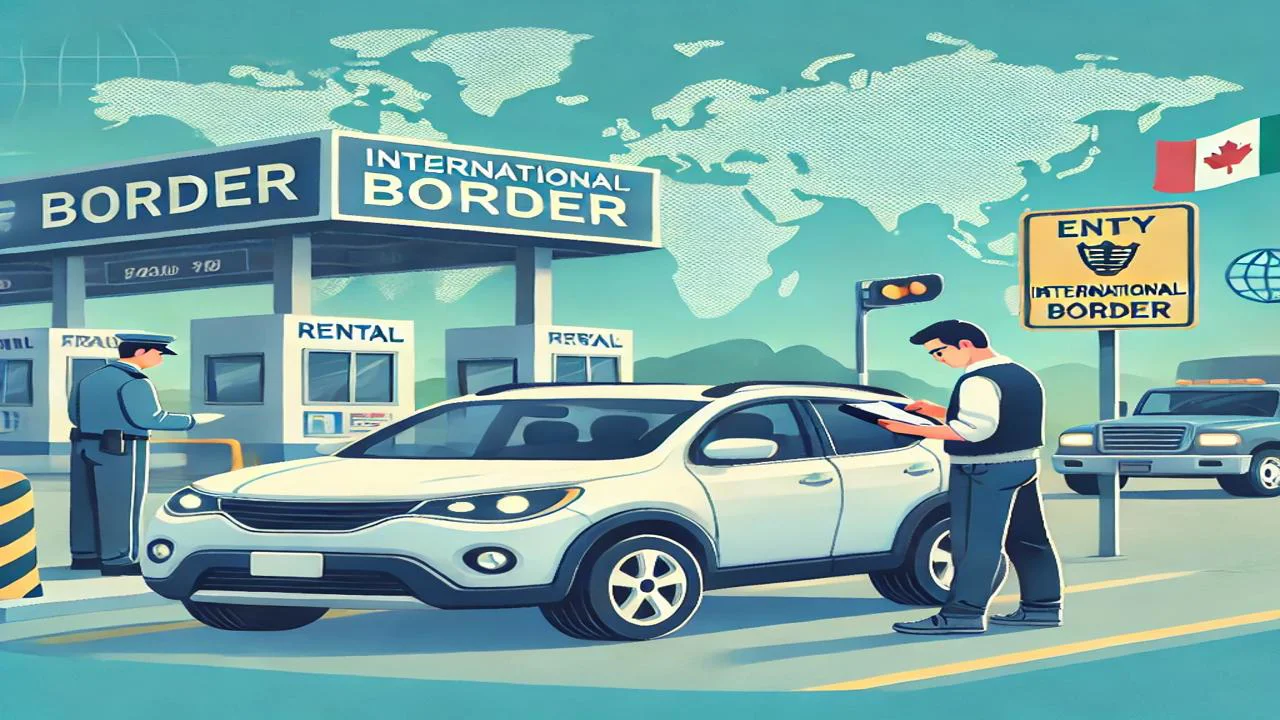
Cross-Border Travel and Vehicle Use
Cross-border use of rented vehicles introduces additional complexity. Customs rules, insurance validity, and regulatory recognition vary, requiring explicit disclosure to prevent misuse.
For broader context on how regulatory information is communicated in cross-border mobility, see [Internal link to buffer article].
Practical Insights for Interpreting Transportation Services
Transparency as a Regional Construct
Service transparency is not universal; it reflects local legal and cultural norms. Understanding this reduces misinterpretation when services operate differently than expected.
Documentation and Information Hierarchy
Not all disclosed information carries equal weight. Core contractual terms, insurance coverage, and regulatory notices typically take precedence over ancillary service descriptions. Recognizing this hierarchy supports clearer interpretation.
Mobility Services Within a Broader Travel Ecosystem
Transportation services interact with travel insurance, legal protections, and corporate travel policies. These systems rely on transparent disclosure to function effectively, reinforcing the importance of clarity at the service level.
Neutral Summary Closing
Car rental and transportation services illustrate how mobility is governed differently across regions. Variations in regulation, disclosure standards, and operational norms shape user experience more than service category alone.
Viewed through a service transparency lens, understanding transportation requires attention to regional context rather than assumption of uniform practice. By recognizing how rules, disclosures, and execution differ, travelers and organizations can better interpret outcomes—without relying on transactional guidance or comparative judgment—within an increasingly interconnected global mobility landscape.