Corporate Travel Management: Operational Efficiency and Policy Control
Corporate Travel Management: Operational Efficiency Between Corporate Control and Individual Travel Needs
Corporate travel exists at a structural intersection between organizational control and individual mobility. While consumer travel is shaped largely by personal preference and price sensitivity, corporate travel is governed by policy, risk tolerance, compliance obligations, and operational efficiency. This distinction becomes most visible when travel volume scales, disruption occurs, or regulatory scrutiny intensifies.
In multinational environments—spanning the United States, the United Kingdom, Europe, and selected Middle Eastern and Nordic markets—corporate travel management has evolved from a procurement function into an operational discipline. Organizations no longer view travel merely as a cost center. Instead, it is treated as an integrated system that touches finance, legal compliance, human resources, and risk management.
This article examines corporate travel management from an operational efficiency perspective. It establishes a framework for understanding how corporate travel systems differ from consumer travel models, how decisions are structured, and how organizations balance efficiency, duty of care, and control without relying on discretionary or transactional approaches.
Concept Clarification: What Corporate Travel Management Encompasses
Corporate travel management refers to the coordinated processes, policies, and systems an organization uses to plan, authorize, monitor, and reconcile employee travel undertaken for business purposes. Unlike consumer travel, where decisions are largely autonomous, corporate travel operates within defined governance structures.
At its core, corporate travel management addresses four functional dimensions:
-
Policy governance, defining what travel is permitted and under what conditions
-
Operational execution, covering booking, changes, and disruption handling
-
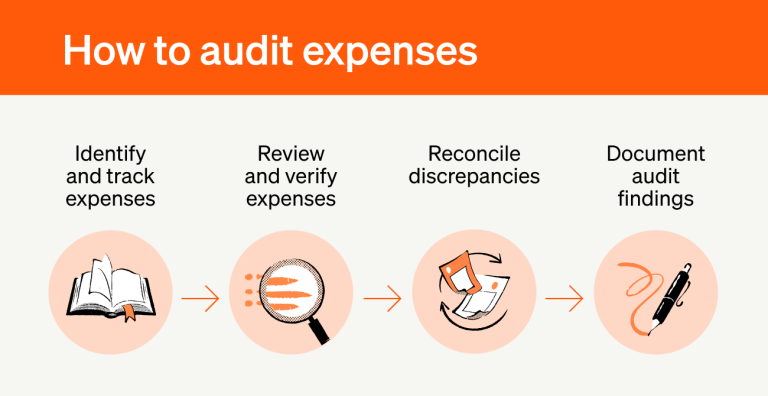
Financial control, including expense tracking, reconciliation, and reporting
-
Risk and compliance oversight, ensuring traveler safety and regulatory alignment
Operational efficiency emerges from how well these dimensions are aligned. Fragmentation—such as disconnected booking channels or inconsistent approval flows—introduces friction, cost leakage, and compliance risk.
Importantly, corporate travel management does not eliminate individual traveler needs. Instead, it seeks to standardize decision pathways while preserving flexibility where operationally justified.
Decision Factors Shaping Operational Efficiency in Corporate Travel
Policy Structure and Enforcement Logic
Operational efficiency begins with policy design. Corporate travel policies translate organizational priorities into enforceable rules governing booking classes, routing, approvals, and exception handling.
Efficient policies are not merely restrictive; they are structured to reduce decision latency. Clear thresholds for approvals, predefined escalation paths, and standardized exceptions minimize ambiguity and administrative overhead. Inefficient policies, by contrast, generate manual intervention and inconsistent application.
A broader framework explaining how governance structures support operational consistency is outlined in [business travel management solutions].
Centralization Versus Distributed Control
Organizations vary in how tightly they centralize travel decision-making. Some operate centralized models where travel is booked and managed through unified systems, while others allow distributed booking with post-trip reconciliation.
From an efficiency standpoint, centralization improves data visibility and compliance but may reduce responsiveness in dynamic travel environments. Distributed models offer flexibility but introduce reconciliation complexity and policy drift. Most mature corporate travel systems adopt hybrid approaches, balancing centralized oversight with localized execution.
An analytical discussion of how these trade-offs affect efficiency outcomes is explored in [travel expense management for companies].
Integration With Financial and Risk Systems
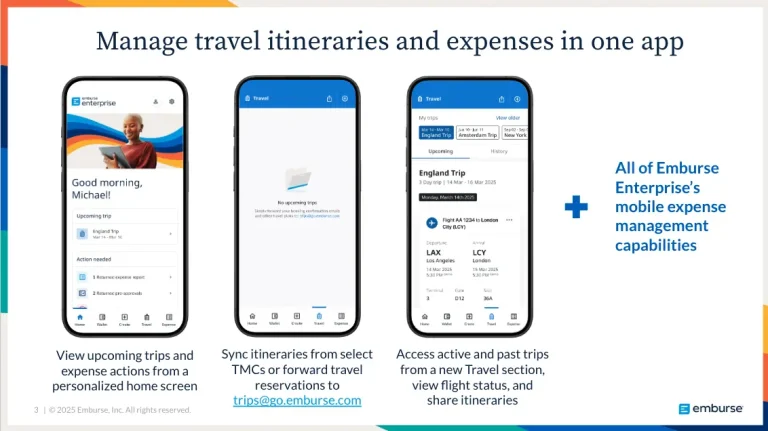
Operational efficiency is amplified when travel management systems integrate seamlessly with finance, expense, and risk platforms. Integration reduces duplication, shortens reporting cycles, and improves real-time visibility into travel exposure.
Without integration, organizations rely on manual reconciliation and retrospective analysis, limiting their ability to respond proactively to cost overruns or disruption risk. Integration, therefore, functions as a force multiplier rather than a convenience feature.
Scenario-Based Applications of Corporate Travel Management
Routine Business Travel at Scale
In high-volume travel environments, small inefficiencies compound rapidly. Delayed approvals, inconsistent booking behavior, or fragmented data streams can translate into significant operational drag.
Effective corporate travel management standardizes routine journeys, allowing operational teams to focus attention on exceptions rather than baseline execution. This standardization improves predictability without eliminating necessary discretion.
Disruption and Irregular Operations
When disruption occurs—such as widespread delays or cancellations—corporate travel systems are stress-tested. Operational efficiency depends on whether organizations can quickly locate affected travelers, assess exposure, and coordinate response.
In these scenarios, corporate travel management intersects with duty-of-care obligations and continuity planning. Systems designed for visibility and rapid communication outperform ad hoc approaches that rely on manual coordination.
For broader context on how travel disruption information is managed across systems, see [corporate travel policy best practices].
Cross-Border and Multijurisdictional Travel
International travel introduces regulatory complexity. Visa requirements, tax implications, and traveler protection rules vary by jurisdiction. Operational efficiency requires that these variables be embedded into travel workflows rather than handled reactively.
Organizations with mature corporate travel management frameworks incorporate jurisdictional awareness into pre-trip planning and post-trip reconciliation, reducing compliance friction.
Practical Insights and Best Practices for Operational Alignment
Treating Travel as an Operational System
Operational efficiency improves when travel is viewed as a system rather than a series of transactions. This perspective emphasizes process design, data flow, and exception handling over individual booking decisions.
Balancing Control With Traveler Experience
Excessive control can undermine efficiency if it generates workarounds or non-compliance. Effective corporate travel management aligns policy enforcement with traveler realities, reducing friction that leads to shadow booking or delayed reporting.
Data Transparency and Continuous Optimization
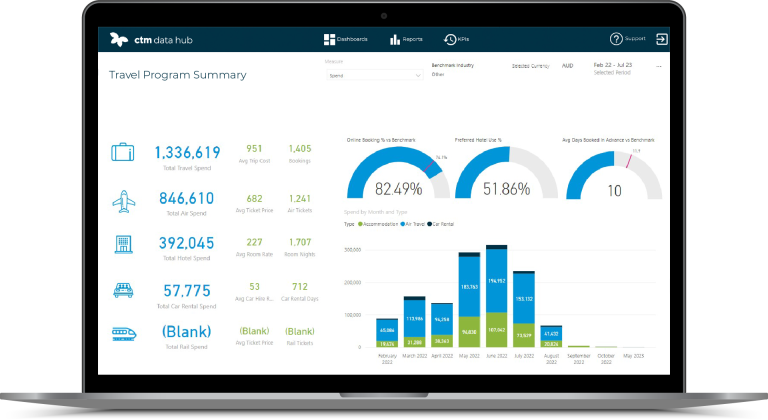
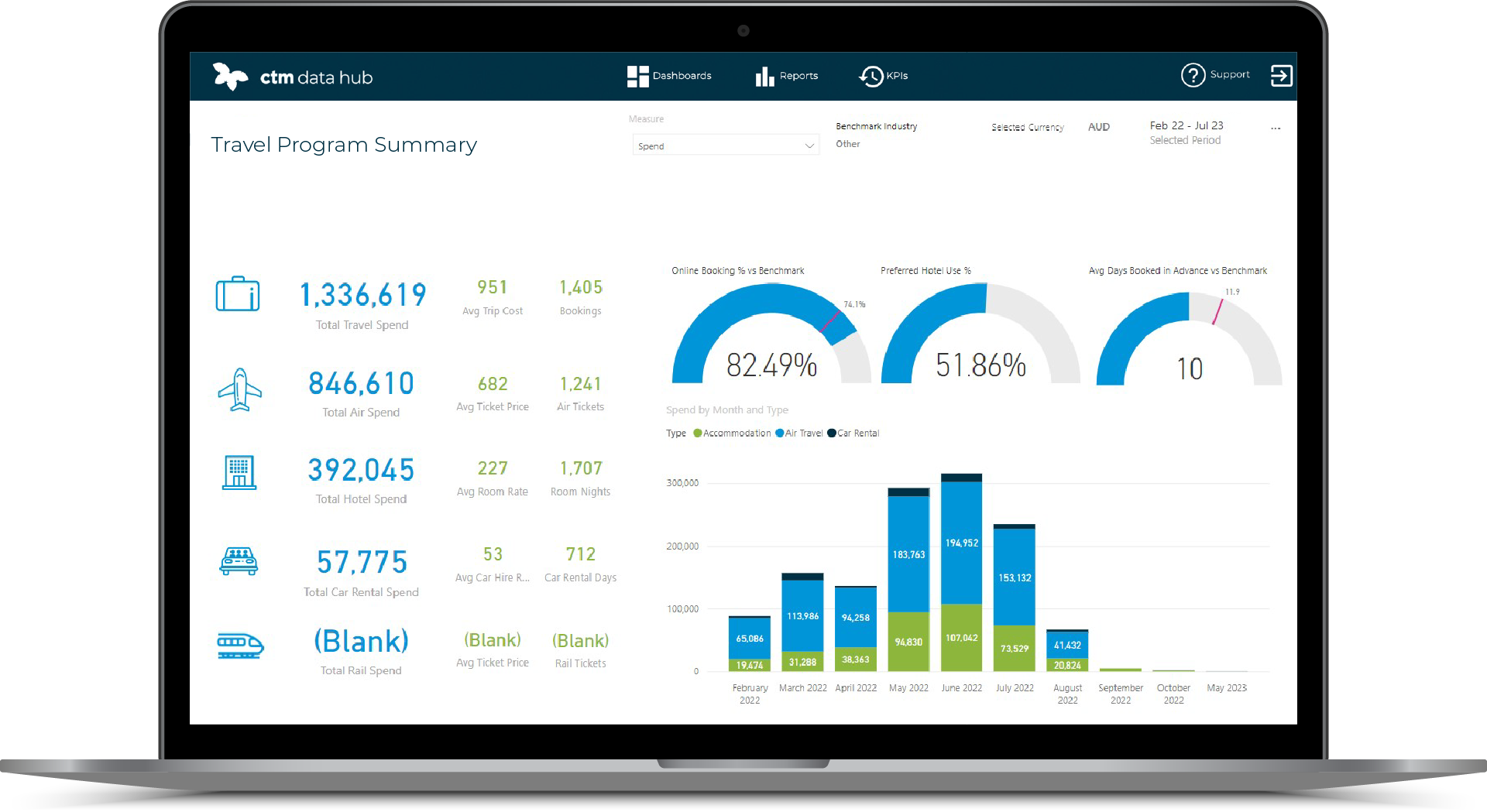
Visibility into travel patterns, costs, and disruption outcomes supports continuous improvement. Operational efficiency is not static; it evolves as organizations refine policies, adjust thresholds, and respond to changing travel conditions.
Transparency enables informed adjustments without resorting to blanket restrictions.
Neutral Summary Closing
Corporate travel management represents a structured response to the complexity of organizational travel needs. Positioned between corporate control and individual mobility, it transforms travel from a fragmented activity into an operationally governed system.
Viewed through an operational efficiency lens, corporate travel management aligns policy, execution, finance, and risk into a cohesive framework. By reducing friction, clarifying responsibility, and improving visibility, it supports consistent outcomes across diverse travel environments—without relying on discretionary decision-making or transactional incentives.