International Car Rental Tips: Traveler Protection Across Regions
International Car Rental Tips: Traveler Protection Across Regional Differences

Renting a car abroad often feels familiar until small regional differences begin to surface. A driving license accepted in one country may require additional documentation in another. Insurance terminology may look identical while carrying different legal meanings. Even routine processes such as deposits, inspections, or fuel policies can vary enough to affect traveler protection outcomes.
Across regions including North America, Europe, and selected Middle Eastern and Nordic markets, international car rental operates within layered legal and regulatory systems. These systems are designed to protect consumers, yet they are implemented differently at national and local levels. For travelers crossing borders, protection depends less on price or convenience and more on understanding how these regional differences shape responsibility and risk.
This buffer article provides international car rental tips from a traveler protection perspective. It offers educational context on how rules differ, where misunderstandings arise, and how travelers can better interpret rental conditions without focusing on providers, pricing, or transactional choices.
Concept Clarification: International Car Rental as a Regulated Activity
International car rental is governed by a combination of domestic transport law, insurance regulation, and cross-border recognition rules. While rental contracts are standardized within countries, their enforcement and interpretation are rooted in local legal systems.
Traveler protection in this context focuses on:
-
Legal eligibility, such as license recognition and age requirements
-
Liability allocation, determining who bears responsibility in incidents
-
Disclosure standards, defining what information must be communicated
-
Jurisdictional authority, identifying which laws apply when disputes arise
Understanding these foundations helps explain why experiences differ even when rental processes appear uniform across countries.
Decision Factors That Influence Traveler Protection
License Recognition and Documentation Rules
Driver eligibility is one of the most common points of confusion. Some countries recognize foreign licenses directly, while others require international driving permits or official translations.
Protection issues arise when travelers assume equivalence across borders. Eligibility that is valid in one jurisdiction may not satisfy legal requirements elsewhere, potentially affecting insurance validity. A broader framework on how transportation services are regulated across regions is outlined in [car rental & transportation guide].
Insurance Interpretation Across Borders
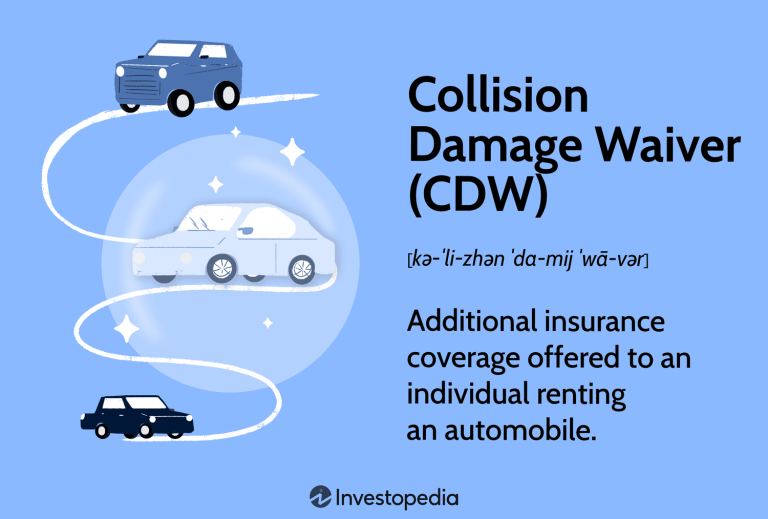
Insurance terms such as liability coverage or damage waivers are often translated into familiar language, but underlying legal definitions differ. Mandatory coverage levels, excess structures, and exclusions are shaped by national law.
Traveler protection depends on understanding that familiar labels do not guarantee identical protection. Misinterpretation can leave travelers exposed despite apparent coverage. An analytical discussion of how risk allocation varies in rental agreements is explored in [car rental comparison websites].
Deposits, Inspections, and Dispute Handling
Operational practices also affect protection. Deposit amounts, inspection procedures, and documentation standards vary by country and even by location. These practices influence how disputes are resolved if damage is alleged after return.
Regions with strict documentation requirements often provide clearer dispute resolution pathways, while less formal systems may rely more heavily on contractual interpretation.
Scenario-Based Examples of Regional Differences
Driving Within a Single Foreign Country
Even without crossing borders, travelers may encounter regional rules unfamiliar from home markets. Environmental zones, toll systems, and vehicle restrictions can carry penalties if misunderstood.
Traveler protection in these scenarios depends on how clearly such rules are disclosed and how responsibility is assigned in rental agreements.
Cross-Border Vehicle Use
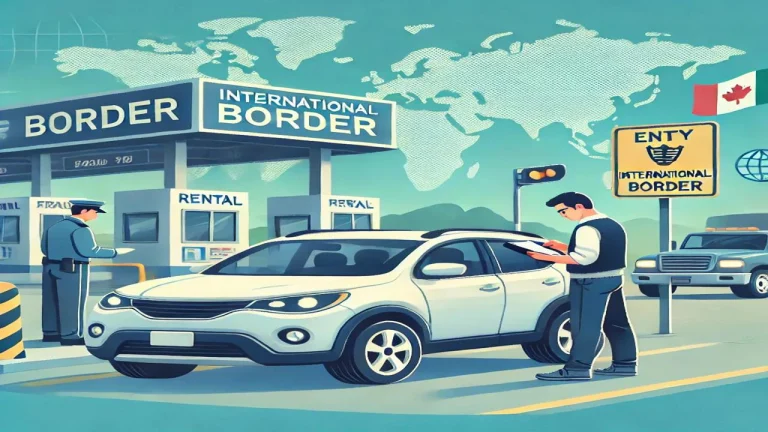
Taking a rental vehicle across national borders introduces additional regulatory layers. Insurance validity, reporting obligations, and permitted use may change once borders are crossed.
Failure to recognize these shifts can affect coverage and legal standing. For broader educational context on how transportation rules differ internationally, see [car rental for tourists].
Incident Handling Abroad
When incidents occur abroad, traveler protection hinges on jurisdiction. Local authorities, legal standards, and reporting timelines govern outcomes. Familiar processes from home countries may not apply.
Preparation through understanding regional norms improves response and reduces uncertainty during stressful situations.
Practical Insights for Safer Interpretation
Protection Varies by Jurisdiction, Not Brand
Traveler protection is determined primarily by law, not by service branding. Similar contracts can produce different outcomes depending on where they are enforced.
Documentation Is a Protective Tool
Clear records—licenses, permits, inspection reports, and communication—support protection across borders. Documentation standards often matter more internationally than domestically.
Expectations Should Adjust With Geography
Assumptions based on home-country experience are a common source of risk. Adjusting expectations to regional context improves interpretation and reduces exposure.
Neutral Summary Closing
International car rental highlights how traveler protection is shaped by regional differences rather than by uniform global practice. Licensing rules, insurance definitions, and operational procedures vary across jurisdictions, influencing responsibility and risk in subtle but significant ways.
Viewed through an educational lens, international car rental tips are less about tactics and more about interpretation. By understanding how regional frameworks govern mobility services, travelers can better navigate cross-border rentals with clearer expectations—without relying on promotional claims or transactional guidance.